
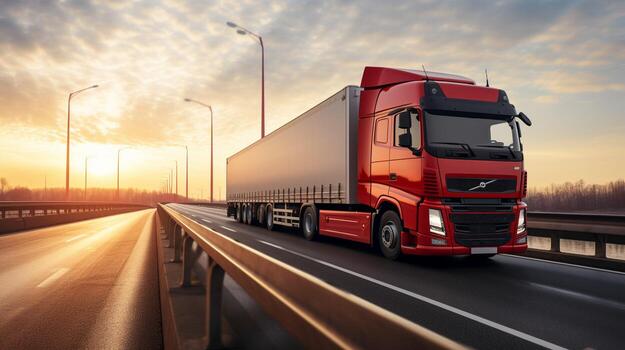
For decades, the commercial logistics playbook has been frustratingly simple: if you want to grow, you lease more trucks.
But for modern operations managers, supply chain directors, and local wholesalers, this rigid model is breaking down. Today’s consumer demands are highly volatile. Delivery spikes hit hard during holidays, promotions, or seasonal shifts, leaving supply chains scrambling for extra vehicles. Conversely, during off-peak times, those same expensive, long-term leased trucks sit idle in the yard, bleeding cash in commercial insurance and depreciation.
The industry is waking up to a harsh reality: owning or leasing 100% of your peak-demand vehicle capacity is a fast track to margin erosion.
The solution isn’t leasing more trucks. It’s smarter asset utilization. Welcome to the era of Capacity-as-a-Service.
The True Cost of the “Just-in-Case” Fleet
Historically, companies built their fleets for the “just-in-case” scenario. If a wholesale bakery needs 15 trucks to handle their busiest Tuesday of the month, they lease 15 trucks—even if they only need 10 trucks for the other 29 days.
The hidden costs of this model are staggering:
- Asset Depreciation: A parked 5-ton box truck loses value whether the engine is running or not.
- Commercial Insurance & Maintenance: You are paying premium rates and maintenance schedules for steel that isn’t moving.
- Capital Tie-Up: Cash flow is unnecessarily locked into hardware that isn’t generating a daily return on investment.
Enter B2B Capacity Sharing: The “AirBnB” of Commercial Fleets
What if, instead of signing a 3-year lease with Ryder or Penske for a truck you only need 30% of the time, you could instantly tap into the unused commercial vehicles of the company down the street?
This is exactly what the Capacity-as-a-Service model achieves.
On any given Tuesday in Alberta, there are hundreds of fully-insured, road-ready commercial vehicles sitting idle. A local HVAC company might have three 5-ton trucks parked because their installation crews are working strictly on residential sites. A landscaping company might have box trucks sitting empty during a rainy week.
By utilizing secure B2B matching platforms like SpotFleet, businesses experiencing a delivery surge can legally and safely lease these idle vehicles for short-term use.
Why Shippers Are Ditching the Rental Counter
For the demand side—the shippers, wholesalers, and event planners—flexible capacity solves the biggest headache in logistics: the emergency scale-up.
- Zero Long-Term Commitment: You pay for the exact days or hours you need the hardware. No 3-year leases, no massive monthly minimums.
- Hyper-Local Availability: Instead of driving across the city to a corporate rental hub, you can pick up a commercial truck from a vetted business just minutes away from your warehouse.
- No Rental Counter Friction: Skipping the traditional commercial rental agencies means no waiting in line, no surprise inventory shortages, and no complex upsells. The matching is instant, digital, and fully compliant.
Turning Liability into Liquidity
For the fleet owners supplying the trucks, the math is equally compelling. An idle truck is a pure liability. But when that vehicle is rented out to a vetted, local B2B partner, it instantly transforms into a high-margin revenue stream.
Through ironclad B2B agreements, the primary fleet owner is protected, while the platform handles the matchmaking, verification, and payment escrow.
The Bottom Line
The future of local supply chains won’t be won by the company with the most trucks parked in their yard. It will be won by the companies that remain lean, agile, and connected to a dynamic, shared network of commercial vehicles.
It’s time to stop paying for parked trucks, and start paying for delivered results.
Leave a Reply